What Is the Best Way to Clean a Dirty Concrete Driveway?
A dirty concrete driveway drags down the whole look of your property. Oil stains, tyre marks, mould and general grime build up over the years until the surface looks beyond saving. But in most cases, it's not beyond saving at all — it just needs the right approach.
Here's the most effective way to clean a concrete driveway, and why professional cleaning gets results that DIY simply can't match.
Step 1: Assess the Surface
Not all concrete is the same. Before any cleaning, the surface needs to be assessed for:
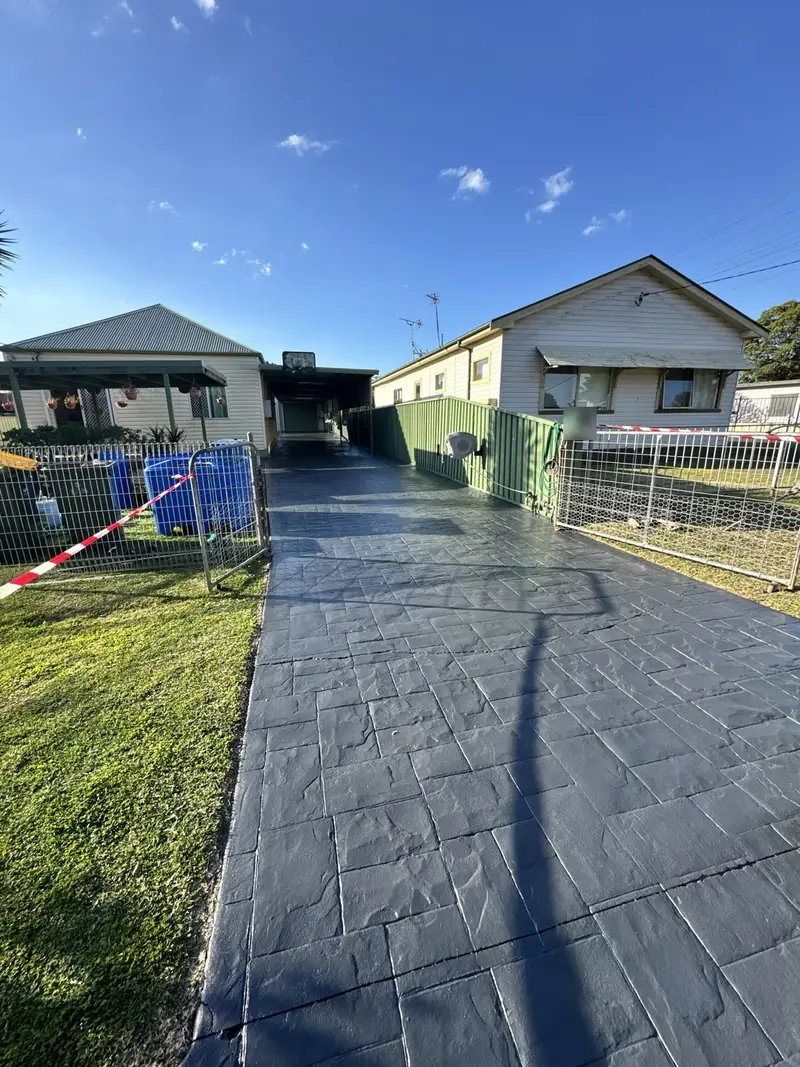
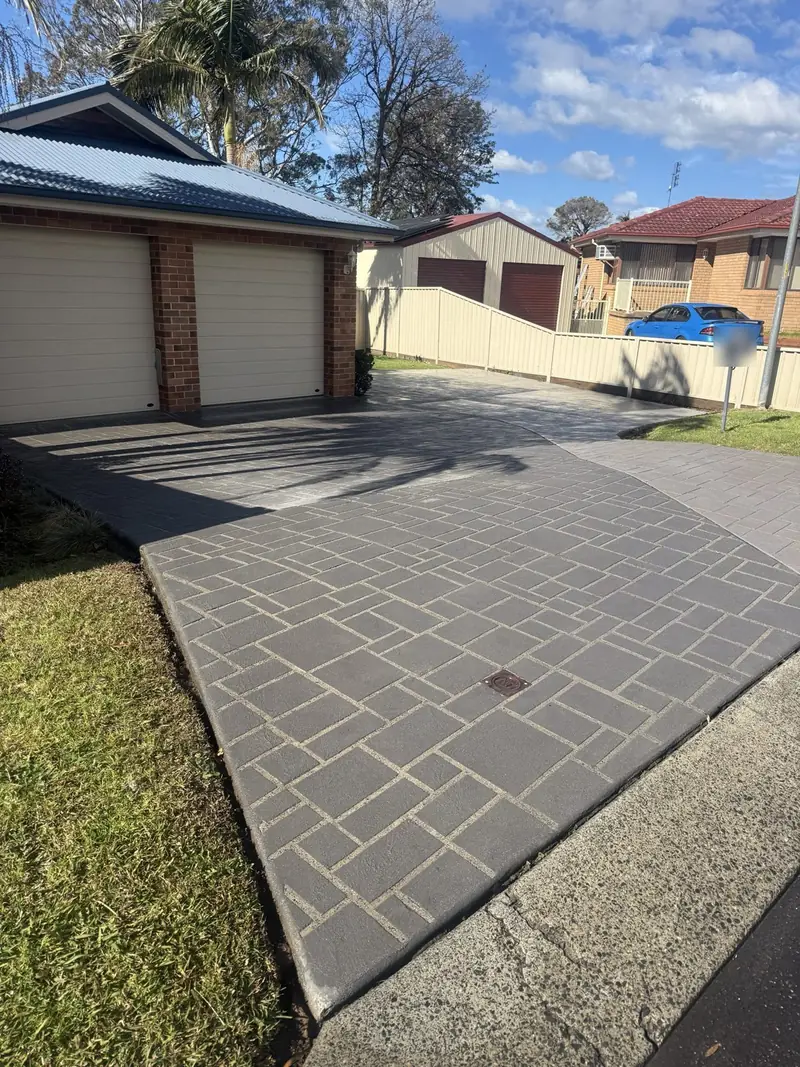
- Surface type — plain concrete, exposed aggregate, stamped or coloured concrete
- Condition — cracks, surface degradation or previous coatings
- Type of contamination — oil, organic growth, tyre marks, rust or general grime
- Access — slope, drainage and surrounding areas that need protection
This assessment determines the cleaning method and pressure. Using the wrong pressure on exposed aggregate, for example, can dislodge the stones and ruin the surface.
Step 2: Pre-Treat Stains
Oil and grease stains often need pre-treatment with a degreaser before pressure cleaning begins. Applying a specialised degreaser and allowing it to penetrate breaks down the oil so it can be lifted from the surface. Without this step, pressure cleaning alone may not fully remove deep oil stains.
Similarly, heavy mould and algae growth may benefit from a pre-treatment that kills the organism at the root — preventing rapid regrowth after cleaning. This is particularly important in shaded, damp areas common in mould-prone Wollongong properties.
Step 3: Professional Pressure Cleaning
This is where commercial-grade equipment makes the real difference. Professional concrete cleaning uses high-pressure water — significantly higher than domestic machines — combined with surface cleaners that provide even, consistent cleaning across the entire surface.
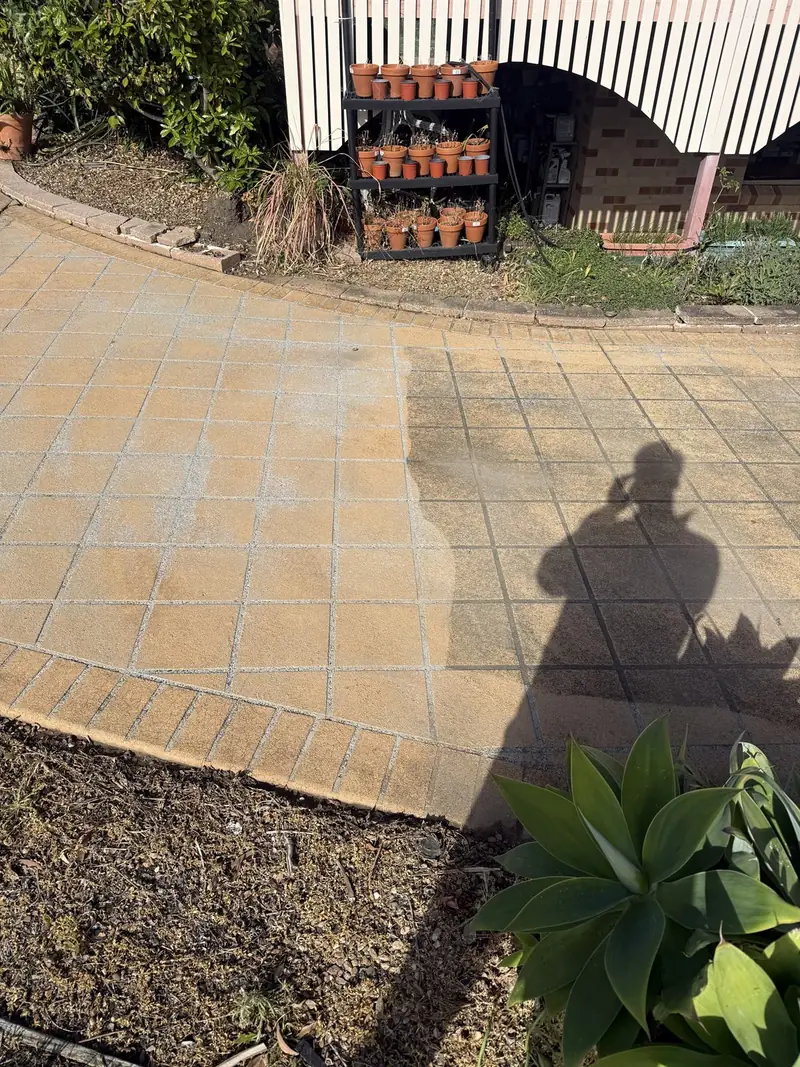
A surface cleaner (also called a rotary cleaner) is key. Unlike a single nozzle, which can leave streaks and uneven cleaning, a surface cleaner uses rotating jets that clean uniformly. This is what gives that distinctive "striped clean" look that shows the contrast between cleaned and uncleaned concrete.
Step 4: Treat and Rinse
After the main clean, any remaining problem areas are treated individually — stubborn stains, edges and corners that the surface cleaner can't reach. The entire area is then rinsed thoroughly to remove all loosened dirt, debris and cleaning agents.
Step 5: Consider Sealing
Once the driveway is clean, this is the ideal time to consider applying a concrete sealer. A quality sealer:
- Locks in the clean finish
- Protects against future oil and stain penetration
- May help limit weathering, depending on the selected coating
- Makes future cleaning easier
The cleaned surface must meet the selected sealer's drying and preparation requirements before coating. Cleaning and sealing may require separate visits. Read our guide to sealing after driveway cleaning for timing and finish considerations.
Why Not Just Do It Yourself?
A domestic pressure washer can remove light surface dirt, but it struggles with:
- Deeply embedded oil and grease
- Mould and algae that has penetrated the surface
- Tyre marks and rubber residue
- Achieving an even, streak-free finish
It also takes significantly longer. A job that takes a professional an hour or two can take a homeowner an entire weekend — with inferior results.
Get Professional Results
If your concrete driveway is looking tired and dirty, ClearView Exterior Services can restore it across Wollongong and the Illawarra. Get a free quote or call 0403 507 558.
Ready to Get Your Property Looking Cleaner?
Contact ClearView Exterior Services today for a free, fixed-price quote across Wollongong and the Illawarra.
More From Our Blog
More tips and advice on exterior cleaning and property maintenance.